
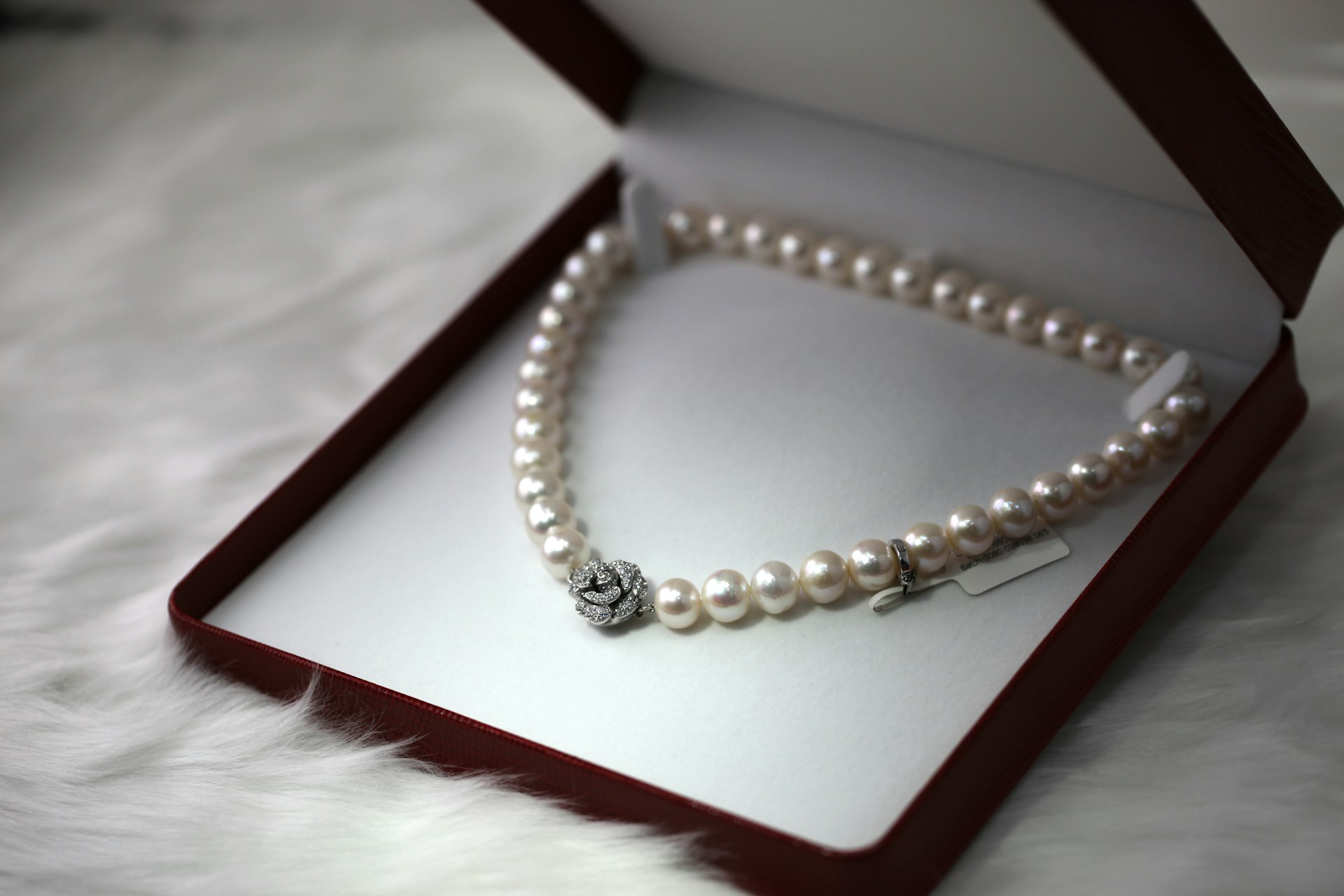
A fine jewelry purchase is rarely just about appearance. Whether you are choosing an engagement ring, marking an anniversary, or investing in a piece you hope to wear for years, the story behind the jewelry matters almost as much as the design itself. For clients who visit elegant jewelers in Woodbury, NY, ethical sourcing is not an abstract industry term; it is part of what helps a purchase feel confident, personal, and genuinely worthwhile.
What ethical sourcing really means in jewelry
Ethical sourcing refers to the way materials are mined, cut, traded, and brought to market with attention to human rights, environmental responsibility, and supply-chain transparency. In jewelry, that usually applies to diamonds, colored gemstones, and precious metals such as gold and platinum. It is a broad concept, but at its core, it asks a simple question: Was this beautiful object created in a way that respects people and places?
Many shoppers first encounter the term through phrases like conflict-free diamonds or responsibly sourced gold. Those labels can be helpful starting points, but they should not be the end of the conversation. True ethical sourcing goes further than a single certification or claim. It considers labor practices, traceability, environmental stewardship, and whether a jeweler can clearly explain where materials come from and how they were selected.
When ethical sourcing is taken seriously, it often includes several elements:
- Traceable origins for diamonds, gemstones, or metals whenever possible
- Fairer labor practices throughout mining, cutting, and manufacturing
- Responsible environmental standards in extraction and production
- Transparent documentation rather than vague promises
- Honest guidance from the jeweler about what is known, what is certified, and what questions remain
That transparency matters because jewelry is deeply symbolic. A piece meant to celebrate love, commitment, or achievement should not come with unanswered concerns hidden beneath its surface.
Why ethical sourcing matters in fine jewelry
Luxury has changed. Today, many buyers still care about craftsmanship, rarity, and design, but they also want to understand the values attached to a purchase. Ethical sourcing helps align beauty with responsibility, which gives the piece a different kind of value: not just monetary or aesthetic, but emotional and moral as well.
That matters especially in fine jewelry because these are often milestone purchases. Engagement rings, wedding bands, heirloom pieces, and special gifts carry memory and meaning. Knowing that a stone or metal was sourced with care can strengthen the connection to the piece. It removes doubt and replaces it with a clearer sense of confidence.
Ethical sourcing can also be a sign of a jeweler’s overall standards. A business willing to discuss provenance, documentation, and sourcing practices is often more serious about quality, education, and long-term client relationships. In other words, transparency in sourcing frequently reflects transparency in service.
For shoppers, the advantages are practical as well as personal:
- Better decision-making: You understand what you are buying instead of relying on broad claims.
- Stronger trust: Clear sourcing information builds confidence in the jeweler and in the piece itself.
- More meaningful gifting: A responsibly chosen item carries a story you can feel good about sharing.
- Long-term satisfaction: Jewelry tends to stay with people for years, even generations. Responsible sourcing makes that ownership feel more complete.
How elegant jewelers can support responsible shopping
The average shopper is not expected to know the complexities of mining practices, diamond pipelines, or gemstone traceability. That is why the jeweler matters so much. A reputable store should be prepared to explain sourcing in plain language, answer direct questions, and guide clients toward pieces that fit both their style and their standards.
For shoppers who want that kind of informed experience, working with a trusted local expert such as elegant jewelers can make the process feel far more transparent and personal. Instead of navigating labels alone, clients can ask specific questions, compare options thoughtfully, and make a purchase with a clearer understanding of what stands behind it.
That guidance is especially valuable in a luxury setting, where details matter. Ethical sourcing should not feel like an afterthought added to a sales pitch. It should be part of a broader conversation about quality, provenance, craftsmanship, and wearability. The best jewelry professionals know how to connect all of those elements without making the shopping experience feel overwhelming.
What thoughtful guidance should include
- A willingness to explain where diamonds, gemstones, or metals come from
- Clarity about certifications, grading reports, and what they do or do not guarantee
- Honest answers instead of overly broad assurances
- Respect for the client’s priorities, whether those are ethical, aesthetic, budget-related, or all three
- Time to compare pieces without pressure
When a jeweler treats sourcing as part of the overall standard of excellence, responsible shopping becomes much easier and much more natural.
Questions to ask before you buy
Ethical jewelry shopping does not require expert-level knowledge, but it does benefit from good questions. Buyers often feel hesitant about asking them, especially in a luxury environment, yet a credible jeweler should welcome the conversation. Asking a few focused questions can quickly reveal how transparent and informed the store really is.
| Question | Why it matters | What to listen for |
|---|---|---|
| Where was this diamond or gemstone sourced? | It opens the discussion on origin and traceability. | Specific information, not vague statements or evasive answers. |
| Is there documentation or certification available? | Paperwork can support claims about grading or sourcing. | Clear explanation of what documents show and their limits. |
| How do you evaluate your suppliers? | Responsible sourcing depends on the standards used throughout the supply chain. | A thoughtful answer about supplier relationships and screening. |
| Are there responsibly sourced or alternative options if I have specific concerns? | Not every client prioritizes the same things. | A willingness to discuss options without defensiveness. |
| Can you walk me through this piece’s materials in detail? | Good jewelers should be able to explain what you are buying. | Confidence, clarity, and educational guidance. |
It is also wise to pay attention to tone. Transparency is not only about the answers themselves, but about how easily those answers are offered. If a jeweler seems impatient, dismissive, or overly scripted, that can be a sign to slow down. Fine jewelry should never feel rushed.
Beauty, trust, and long-term value belong together
Ethical sourcing matters because fine jewelry is meant to endure. The best pieces are worn often, remembered clearly, and sometimes passed down. Their value comes from more than cut, color, carat weight, or metal purity. It also comes from trust: trust in how the piece was made, trust in the information you were given, and trust in the jeweler who helped you choose it.
That does not mean every purchase must come with perfect traceability or a flawless supply-chain narrative. Jewelry sourcing can be complex, and responsible buying is often about asking better questions, seeking better transparency, and working with professionals who take those concerns seriously. What matters is intention, honesty, and a genuine commitment to making a more informed choice.
In the end, ethical sourcing is not separate from luxury; it deepens it. A beautiful piece should look exceptional, feel personal, and sit comfortably within your values. That is why elegant jewelers and discerning shoppers alike continue to treat sourcing as an essential part of what makes fine jewelry truly worth owning.
