
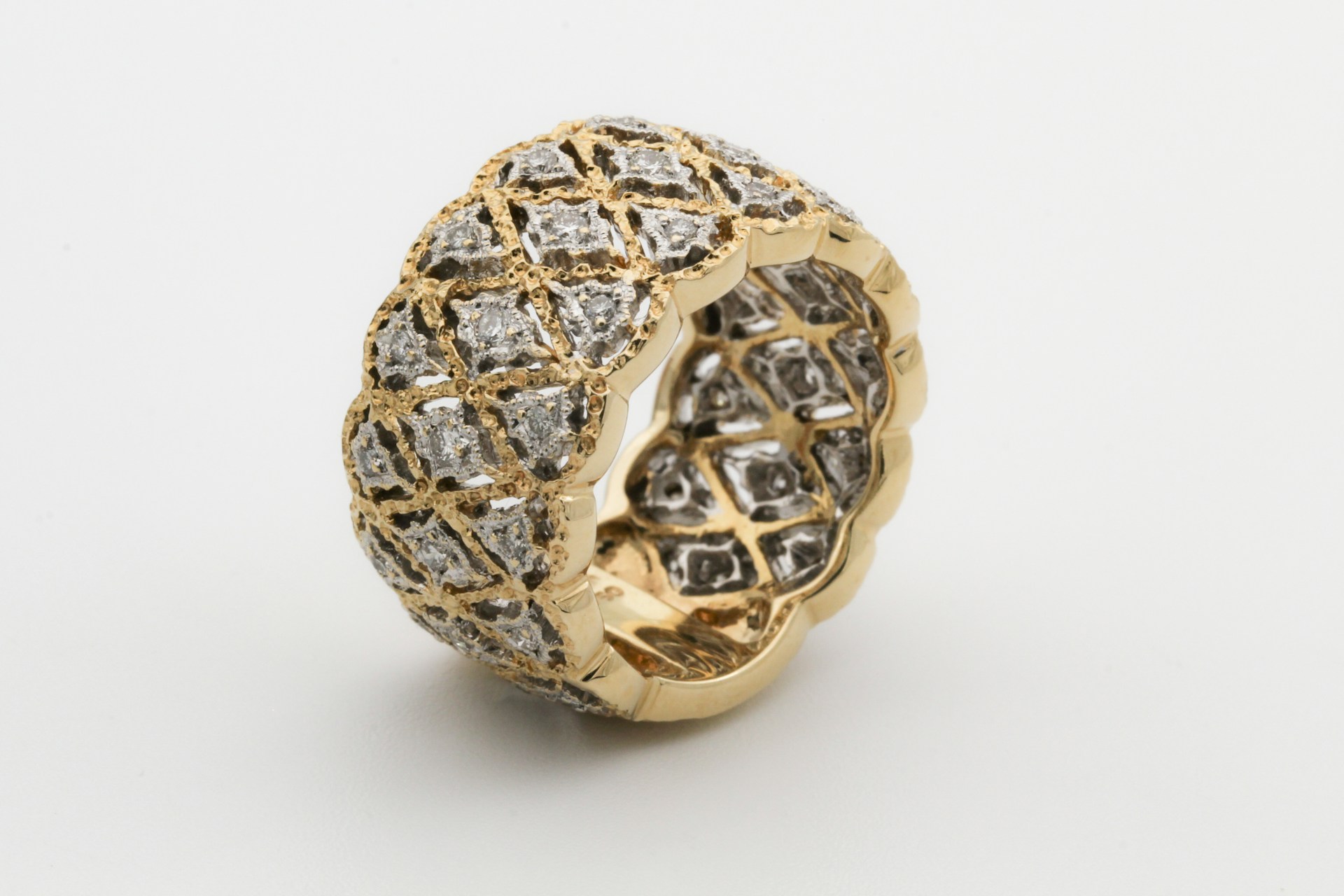
Fine jewelry is meant to be worn, admired, and kept for years, but lasting beauty never happens by accident. Even well-made pieces can lose brilliance when daily habits, storage mistakes, or harsh cleaning methods take a toll. A thoughtful care routine protects both appearance and structure, helping rings, necklaces, bracelets, and earrings remain as refined as the day they were purchased. Whether you wear a single signature piece every day or rotate through a collection for special occasions, proper maintenance is one of the most important parts of ownership.
What elegant jewelers Recommends Before You Clean
Not every piece should be treated the same way. Fine jewelry often combines different metals, settings, and gemstones, and each material has its own sensitivities. Gold can scratch, platinum can develop a soft patina, pearls are delicate, and certain stones are more vulnerable to heat or chemicals than many people realize. Before reaching for any cleaner, it helps to identify exactly what you are caring for.
As a starting point, inspect the jewelry in good light. Look closely for loose stones, bent prongs, worn clasps, or fine cracks. Cleaning a damaged piece without noticing those issues first can make the problem worse. A ring with a weakened setting, for example, may look stable until brushing or rinsing loosens the stone further.
If you are unsure about the composition or condition of a piece, professional guidance is worth seeking. Many owners benefit from periodic evaluation at a trusted jeweler. For those in Long Island, elegant jewelers offers the kind of expertise that can help distinguish between a piece that is safe to clean at home and one that should be handled more carefully.
Keep these basic principles in mind before any cleaning session:
- Know the metal: Yellow gold, white gold, platinum, and sterling silver all respond differently to wear and polish.
- Know the stone: Diamonds are durable, but emeralds, opals, pearls, and other gems may require gentler treatment.
- Check the setting: Prongs, bezels, and clasps should be secure before washing or brushing.
- Skip harsh products: Bleach, chlorine, abrasive toothpaste, and rough household cleaners can damage both metal and stones.
Safe Cleaning Habits for Fine Jewelry at Home
At-home cleaning should be simple, gentle, and consistent. In many cases, the safest method is also the most effective: warm water, a small amount of mild soap, and a soft brush. This helps remove lotion, skin oils, residue, and ordinary buildup without exposing a piece to unnecessary risk.
- Prepare a small bowl of lukewarm water with a drop of mild dish soap.
- Let the jewelry soak briefly, usually for a few minutes rather than an extended period.
- Use a very soft brush to clean around settings, under stones, and along crevices where residue collects.
- Rinse carefully with clean water, ideally over a bowl rather than directly over an open sink.
- Pat dry with a soft, lint-free cloth and allow the piece to dry fully before storing it.
This method works well for many diamond pieces and sturdy metal jewelry, but there are important exceptions. Pearls should never be soaked. Opals, turquoise, emeralds, and other porous or treated stones often need extra caution. Ultrasonic cleaners, though popular, are not universally safe and can loosen settings or harm more delicate gems.
Cleaning frequency should reflect wear. Everyday rings may benefit from light cleaning more often, while special-occasion jewelry usually needs less attention. The goal is not constant polishing, but thoughtful upkeep. Overcleaning, especially with aggressive products, can create its own damage over time.
Storage Habits That Protect Brilliance and Prevent Damage
One of the most overlooked aspects of jewelry care is storage. Fine pieces often become scratched, tangled, or bent not while being worn, but while sitting in a drawer together without protection. Diamonds can scratch other jewelry, chains can knot, and softer gemstones can be marked by contact with harder surfaces.
The best storage approach is orderly and separated. A lined jewelry box with individual compartments is ideal, especially for frequently worn items. Soft pouches are also useful, particularly when traveling. Necklaces should be fastened before storing to reduce tangling, and earrings should remain paired so backs and posts do not go missing.
A few practical habits make a noticeable difference:
- Store pieces separately whenever possible.
- Keep jewelry away from humidity and direct sunlight.
- Use anti-tarnish materials for silver when appropriate.
- Avoid tossing rings or bracelets on hard surfaces at the end of the day.
- Travel with structured cases rather than loose cosmetic bags.
Environment matters more than many people assume. Bathrooms may seem convenient, but repeated exposure to moisture and temperature swings can affect some materials over time. A cool, dry place is usually the better choice.
| Jewelry Type | Best Storage Method | Main Risk to Avoid |
|---|---|---|
| Diamond rings | Separate compartment or soft ring slot | Scratching other pieces |
| Necklaces | Hung or laid flat with clasp closed | Tangling and chain kinks |
| Pearls | Soft pouch or fabric-lined box | Dryness, abrasion, and pressure |
| Silver jewelry | Anti-tarnish pouch or sealed box | Tarnish from air exposure |
| Earrings | Paired in a divided tray | Lost backs and bent posts |
Daily Wear Rules That Extend the Life of Fine Jewelry
How jewelry is worn matters just as much as how it is cleaned. Everyday routines expose fine pieces to impact, chemicals, friction, and residue. Hairspray, perfume, hand sanitizer, lotion, sunscreen, and household cleaning agents can all leave films behind or contribute to wear. Even repeated contact with hard surfaces, such as gym equipment or kitchen counters, can gradually dull or distort a setting.
A reliable rule is to make jewelry the last thing you put on and the first thing you take off. This reduces exposure to cosmetics and helps avoid accidental snags while dressing. Rings, in particular, deserve extra attention because hands are constantly in motion and exposed to water, soap, cleaning products, and pressure.
It is wise to remove fine jewelry during:
- Exercise and sports
- Swimming, especially in chlorinated pools
- Gardening and yard work
- Household cleaning
- Heavy lifting or hands-on manual tasks
- Showering, if soaps and products tend to build up on pieces
Some owners worry that removing jewelry too often increases the chance of misplacing it. The answer is not to wear valuable pieces through every activity, but to create dependable habits. Keep a small dish in a safe place at home, use a travel case when away, and avoid leaving jewelry loose near sinks or bedside tables where it can be knocked away easily.
When Professional Care Matters Most
Even the best home routine cannot replace professional inspection. Fine jewelry is engineered with precision, and small problems are often invisible until they become expensive ones. A loose prong, thinning shank, weakened clasp, or worn setting may not be obvious to the eye, but each can put a stone or the entire piece at risk.
Professional care is especially important for engagement rings, heirloom jewelry, and frequently worn items. Periodic inspections can identify wear before it becomes loss. Polishing, refinishing, tightening, and deep cleaning should also be approached with restraint and expertise rather than with aggressive home methods.
Signs that a piece should be seen by a jeweler include:
- A stone that shifts, rattles, or catches unexpectedly
- Prongs that look uneven, thin, or flattened
- Clasps that no longer close securely
- Noticeable dents, bending, or misshaping
- Persistent dullness even after gentle cleaning
- Vintage or heirloom pieces with unknown repair history
Elegant Jewelers, a luxury jewelry store in Woodbury, NY, is the kind of resource many owners look for when they want knowledgeable care that respects both craftsmanship and sentiment. The right jeweler does more than restore shine; they help preserve structure, wearability, and peace of mind.
A Long-Term Approach to Fine Jewelry Care
Fine jewelry rewards attention. Gentle cleaning, thoughtful storage, careful daily wear, and timely professional inspection all contribute to a collection that remains beautiful and dependable over time. The most effective care is rarely complicated. It comes down to consistency, restraint, and respect for the materials and workmanship behind each piece.
When owners understand how to treat their jewelry properly, they protect more than appearance. They preserve memories, milestones, and the quiet confidence that comes from wearing something truly special. That is why elegant jewelers remains an important part of the conversation for anyone who values fine craftsmanship and wants their jewelry to look exceptional for years to come.
